A Glimpse into Guangdong's B2B Air Conditioner Market
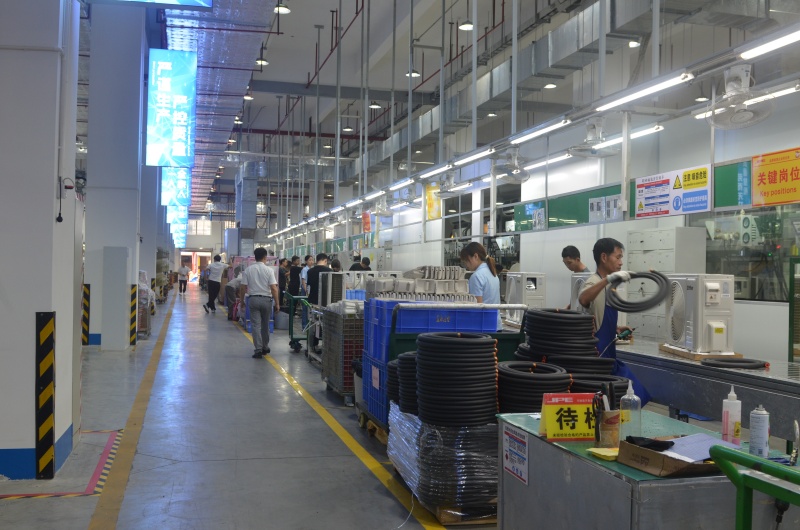
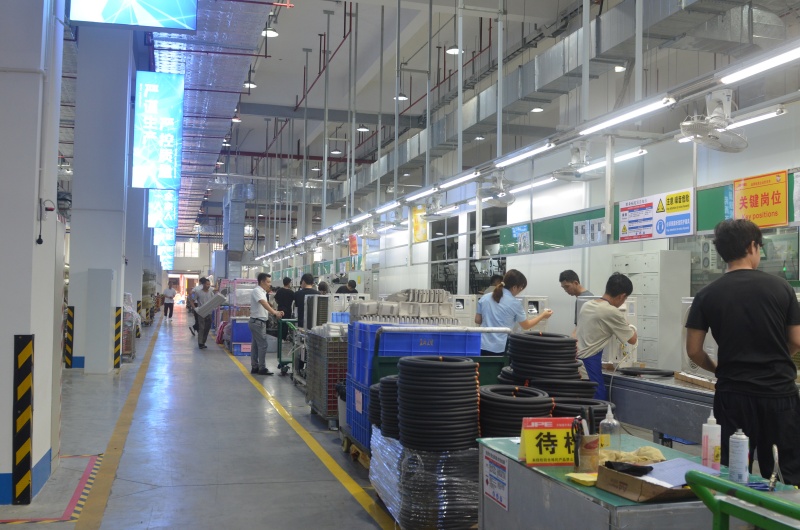
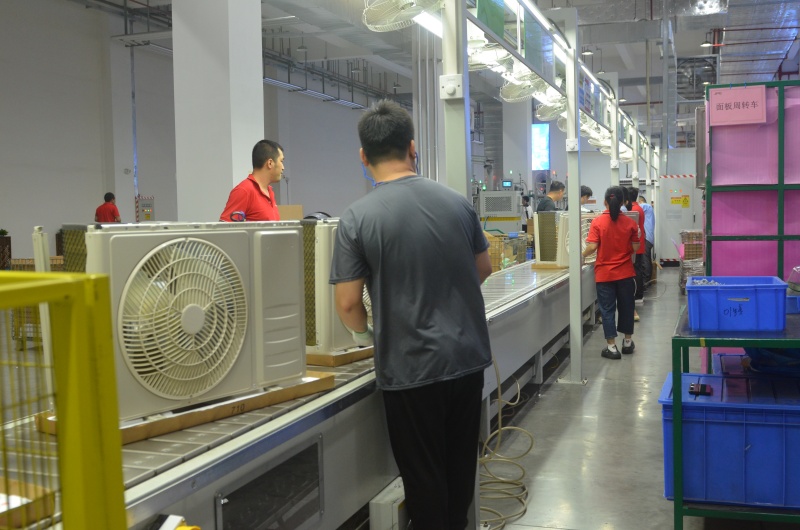
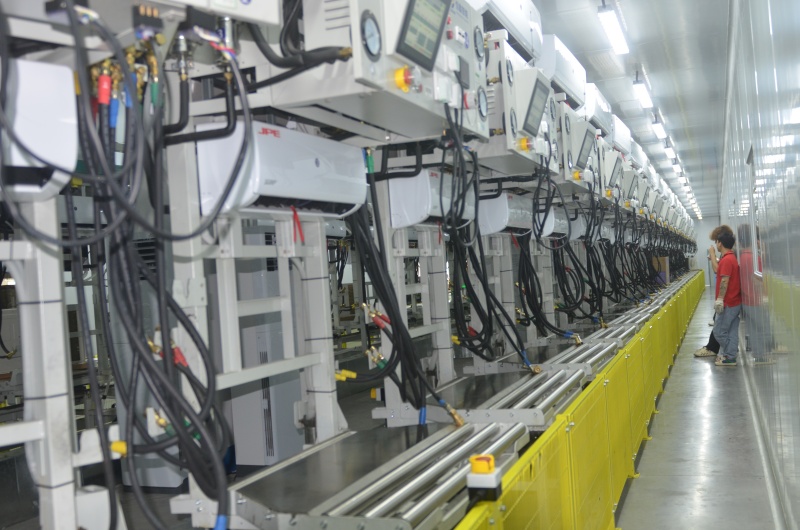
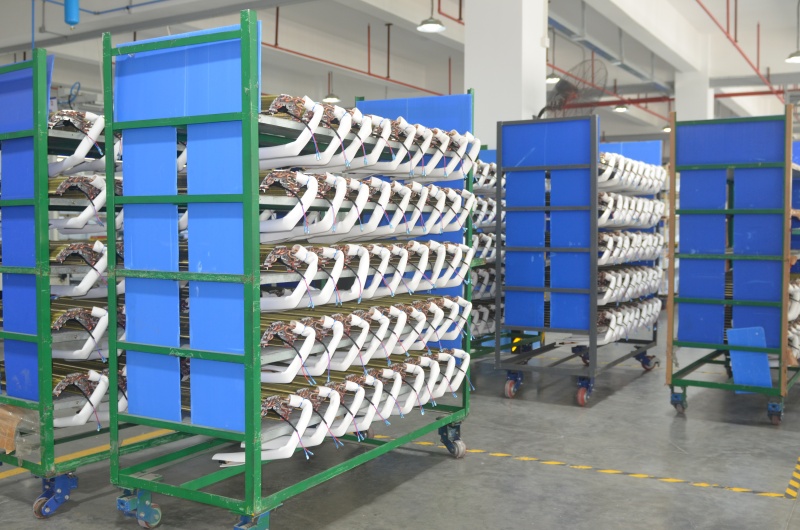
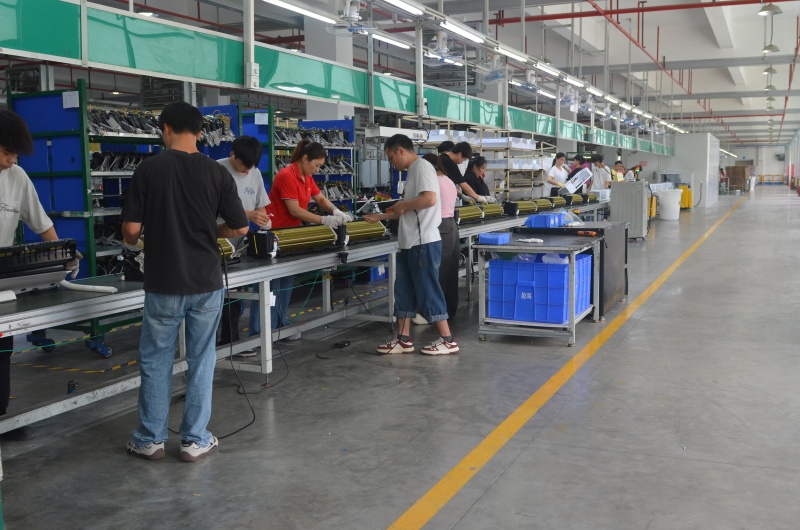
Songpeng Air Conditioner factory stands at the forefront of innovation in the Guangdong region. The Air Conditioner industry has witnessed a remarkable transformation, driven by both technology and market demands. Why is it that some suppliers thrive while others struggle to survive?
The Rise of Technology
Advanced technology plays a vital role in shaping the B2B landscape of air conditioning. Manufacturers now offer smart features, energy-efficient designs, and eco-friendly refrigerants. For instance, the new XZT-9000 model incorporates IoT capabilities, allowing businesses to control temperature remotely. It's impressive how these technologies contribute to sustainability.
Supplier Networks
- Quality Assurance: Stability is key.
- Cost Competitiveness: Everyone loves a good deal.
- After-sales Support: A strong service network builds trust.
The relationships between suppliers and manufacturers are paramount. Without reliable connections, sourcing quality products becomes a gamble. Take, for example, a small hotel chain in Shenzhen. They faced challenges when their previous supplier, promising a competitive price, failed to deliver on time. As a result, guest satisfaction plummeted, leading them to seek out more dependable partners.
Market Trends
What does the future hold? Data suggest that the demand for air conditioners in commercial spaces will grow exponentially. Analysts project a compound annual growth rate (CAGR) of 5% over the next five years. Factors like climate change and urbanization significantly contribute to this trend. Interestingly, smaller businesses are beginning to tap into the same markets previously dominated by larger corporations. This shift is opening doors for niche suppliers who can provide tailored solutions.
Competitive Analysis
When discussing suppliers in Guangdong, one cannot overlook the giants. Brands like Gree and Midea dominate the landscape, but there's room for other players. Small to medium enterprises can carve out niches by focusing on specialized products or regions. For instance, a local supplier may focus on providing air conditioners specifically designed for high-humidity environments, which could differentiate them from larger competitors.
Challenges Ahead
However, challenges abound. Regulatory compliance, fluctuating material costs, and global supply chain disruptions pose serious threats. How can smaller suppliers safeguard against these fluctuations? Building strong relationships with multiple suppliers for components could be a strategy worth considering. In a recent case, a mid-sized manufacturer experienced delays due to shipping issues; however, their diversified supplier base helped mitigate the impact.
Conclusion
In conclusion, the Guangdong air conditioner B2B market is ripe with opportunities but fraught with challenges. Suppliers like Songpeng Air Conditioner need to leverage technology, build robust networks, and stay ahead of market trends to succeed. The question remains: are you ready to embrace the future of air conditioning?