Overview of China's Cooling Air Conditioner Companies
China's air conditioning industry has experienced substantial growth over the past few decades, characterized by technological advancements and increased production capabilities. Central to this development are numerous companies specializing in manufacturing cooling systems for various applications, ranging from residential to commercial use.
Key Players in the Industry
Among the leading manufacturers, several notable companies stand out due to their innovative approaches and market presence:
- Daikin: A Japanese company with significant operations in China, Daikin is known for its energy-efficient products and extensive range of air conditioning units.
- Midea: One of China's largest home appliance manufacturers, Midea's diverse offerings include a comprehensive range of cooling solutions, catering to both domestic and international markets.
- Gree: With a focus on research and development, Gree has established itself as a major player in the global air conditioning market, offering high-quality products across various price points.
Distribution Channels
The distribution of air conditioners in China involves multiple channels, ensuring that products reach consumers efficiently. Distributors play a critical role in this ecosystem, facilitating the flow of goods from manufacturers to end-users.
Typically, distribution channels can be categorized into three main types:
- Direct Sales: Many manufacturers, especially larger firms, opt for direct sales to large clients such as corporations or government entities, bypassing intermediaries.
- Wholesale Distribution: Wholesalers purchase products in bulk and sell them to smaller retailers or contractors, thus expanding the manufacturer's reach.
- Online Platforms: E-commerce has transformed the way consumers purchase air conditioning units, with many companies establishing online stores to cater to the growing demand for convenience.
Challenges Facing Distributors
Distributors in the air conditioning sector face a myriad of challenges that can impact their operations and profitability. Among these challenges are:
- Market Competition: The increasing number of players entering the market creates intense competition, compelling distributors to differentiate themselves through service quality and pricing strategies.
- Supply Chain Issues: Fluctuations in raw material costs and supply chain disruptions can hinder timely product availability, affecting customer satisfaction.
- Technological Advancements: Staying updated with the latest technological trends is essential, as consumer preferences shift towards energy-efficient and smart air conditioning systems.
Future Trends in the Industry
As the demand for cooling technologies grows, driven in part by climate change and urbanization, several trends are anticipated to shape the future of the air conditioning market in China:
- Increased Focus on Energy Efficiency: Consumers are becoming more aware of energy consumption, prompting manufacturers and distributors to prioritize energy-efficient solutions.
- Smart Air Conditioning Solutions: The rise of smart homes has led to an increased interest in smart air conditioning systems that offer remote control and programmable settings.
- Sustainability Initiatives: Many companies are adopting environmentally friendly practices, including reduced emissions and sustainable materials, to attract eco-conscious consumers.
The Role of Songpeng Air Conditioner
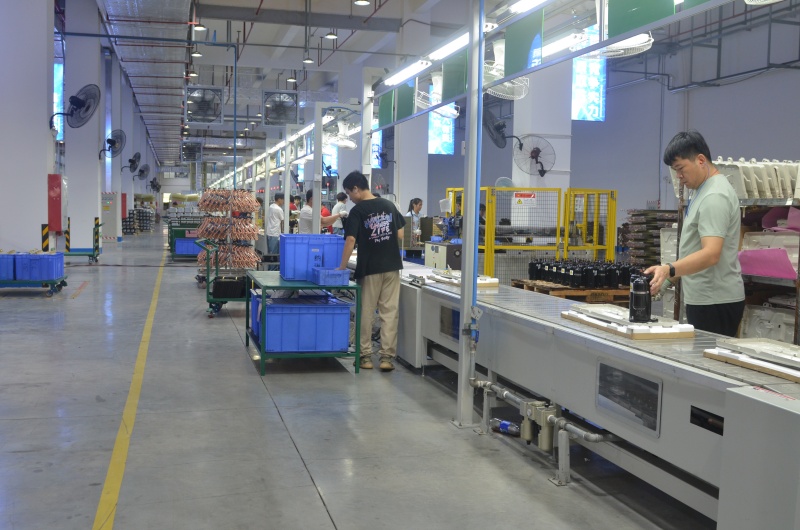
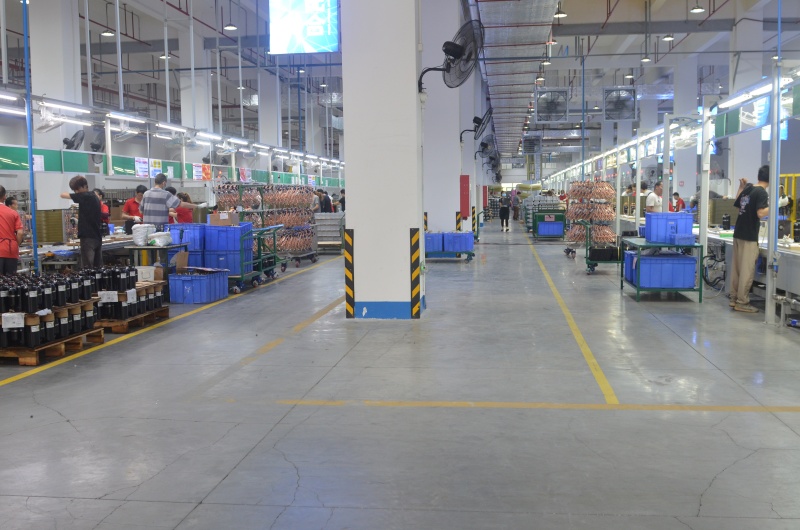
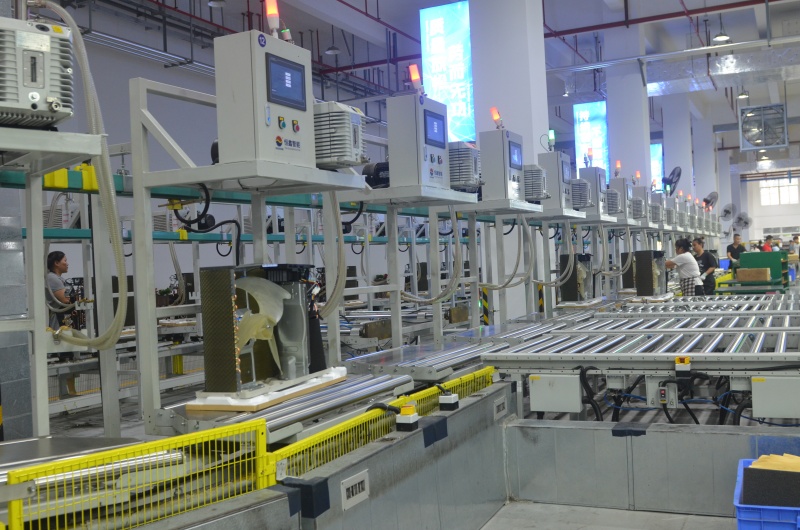
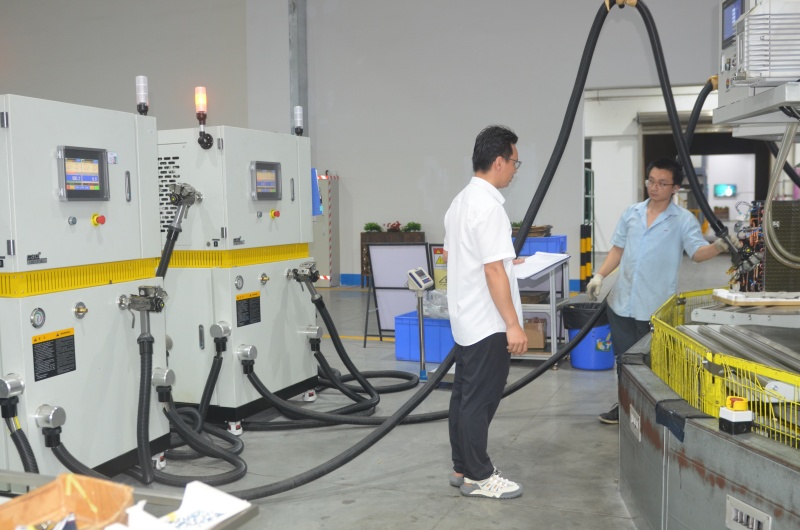
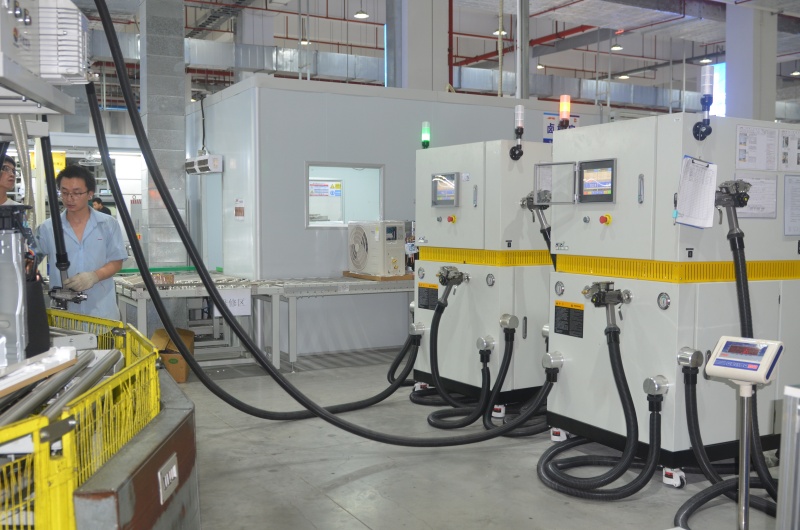
Established in 1990, Songpeng Air Conditioner factory has carved a niche for itself in the competitive landscape of Chinese air conditioning manufacturers. Specializing in the design and production of a wide variety of air conditioning units, Songpeng emphasizes quality and innovation. The company's commitment to excellence has positioned it as a reliable distributor of cooling systems, addressing both domestic and international demands.
As the industry continues to evolve, Songpeng is likely to adapt to emerging trends, ensuring that it remains at the forefront of the air conditioning sector in China.